HuggieGems Magnetic Spice Rack: Refrigerator Storage System Analysis


Executive Summary
The HuggieGems Magnetic Spice Rack provides vertical storage for kitchen items through magnetic adhesion to refrigerator sides and other ferromagnetic surfaces. The system eliminates drilling requirements whilst creating accessible storage in kitchens with limited cabinet or counter space. This analysis examines material construction, magnetic technology principles, dimensional specifications, installation procedures, surface compatibility requirements, and weight capacity considerations based on documented product specifications and engineering principles.
Contents
Product Overview & Configuration
Understanding the product structure clarifies storage capacity and configuration options.
System Design
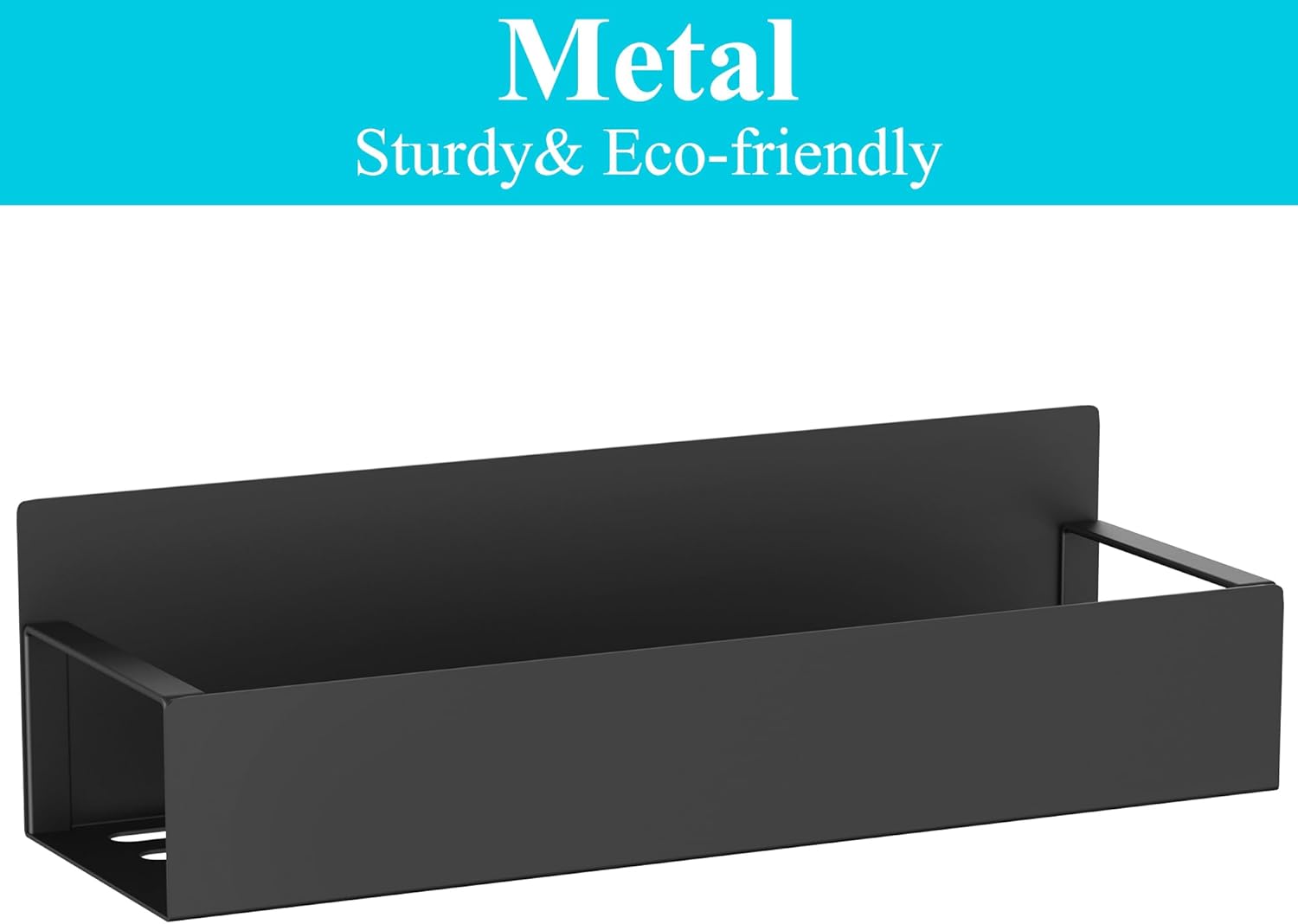
Individual Rack Structure: Each rack consists of a rectangular metal grid framework with integrated magnets on the rear surface enabling attachment to magnetic surfaces.
Magnetic Mounting: Magnets embedded within the rack backing provide holding force against refrigerator panels, oven sides, or other ferromagnetic surfaces without requiring drilling or permanent installation.
Vertical Storage Orientation: Racks mount vertically to appliance surfaces, holding bottles in horizontal rows with front retention preventing forward sliding.
Product Claims
Based on manufacturer documentation, the product emphasises:
- Rustproof material construction
- Heavy-duty magnet strength
- Space-saving capability for small kitchens
- Easy spice accessibility
- Simple adjustment and repositioning
- Accommodation of multiple spice bottles
Brand Context
HuggieGems: The brand manufactures magnetic storage solutions including spice racks, shower caddies, and refrigerator organisers as indicated by product imagery.
Product Line: Imagery suggests multiple storage products employing similar magnetic mounting technology across kitchen and bathroom applications.
Material Construction & Rust Resistance
Material selection determines product longevity and performance in humid kitchen environments.
Primary Material Analysis
Rustproof Claim: Product documentation specifically claims “rustproof material” as key feature.
Likely Material: Rustproof construction in kitchen storage products typically employs:
- Stainless Steel: Contains minimum 10.5% chromium forming protective chromium oxide layer preventing rust
- Coated Steel: Carbon steel with protective coating (powder coating, enamel, or galvanisation)
- Plastic/Polymer: Inherently rust-proof but less common for structural rack components
Metal Grid Requirement: Structural grid supporting bottles requires metal construction providing adequate rigidity. Stainless steel or coated steel represent most probable materials.
Corrosion Resistance Requirements
Kitchen Environment Exposure:
- Humidity from cooking processes (boiling, steaming)
- Temperature fluctuations from refrigerator cooling cycles and oven operation
- Occasional water splashing from sink proximity
- Cleaning solution contact during maintenance
- Condensation on refrigerator exterior surfaces
Material Performance: Rustproof materials must maintain structural integrity and appearance when subjected to these environmental conditions over extended periods (5-10+ years expected lifespan).
Finish and Appearance
Visual Characteristics: Product imagery suggests metallic finish consistent with stainless steel or powder-coated metal construction.
Powder Coating Benefits: If coated steel construction employed:
- Uniform colour application
- Enhanced corrosion protection beyond base metal
- Scratch resistance superior to painted finishes
- Easy cleaning – smooth non-porous surface
Magnetic Technology Principles
Understanding magnetic adhesion clarifies system capabilities and limitations.
Magnet Type
“Heavy Duty” Claim: Product emphasises “really strong and heavy duty magnet” as key feature.
Magnet Categories:
- Neodymium (NdFeB): Strongest permanent magnet commercially available, typical for “heavy duty” claims
- Ferrite/Ceramic: Moderate strength, lower cost, adequate for light applications
- Alnico: Temperature-resistant but lower strength than neodymium, less common
Likely Specification: “Heavy duty” marketing terminology typically indicates neodymium magnet technology providing superior holding force from compact dimensions.
Magnetic Force Principles
Adhesion Mechanism: Permanent magnets generate magnetic field extending beyond magnet surface. When brought near ferromagnetic material (iron, steel), magnetic flux lines complete circuit through the material, creating attractive force.
Force Components:
- Pull Force: Force required to separate magnet perpendicular to surface – typically specified in magnet ratings
- Shear Force: Force required to slide magnet parallel to surface – typically 10-30% of pull force
- Practical Consideration: Loaded racks experience primarily shear forces from gravitational pull on bottles, making shear resistance critical specification
Factors Affecting Magnetic Strength
Surface Contact:
- Direct metal-to-magnet contact provides maximum holding force
- Air gaps from contamination (grease, dust) reduce effective force
- Surface coatings (paint, powder coating) create small air gaps reducing force by 10-30% depending on thickness
Temperature Effects:
- Neodymium magnets typically rated -20°C to +80°C operating range
- Magnetic force decreases approximately 0.11% per degree Celsius temperature increase
- Kitchen environment (15-25°C typical) well within operating range with minimal force variation
Steel Substrate Thickness:
- Magnetic flux requires sufficient ferromagnetic material thickness for complete circuit
- Very thin steel (<0.5mm) may provide inadequate magnetic path reducing holding force
- Standard refrigerator panels (0.5-1.5mm typical) provide adequate thickness
Dimensional Specifications
Physical dimensions determine spatial requirements and storage capacity.
Measurement Considerations
Specification Absence: Product description provided does not include specific dimensional measurements (length, width, height).
Typical Spice Rack Dimensions: Comparative magnetic spice racks commonly measure:
- Length: 20-35cm (accommodating 3-5 bottles horizontally)
- Depth: 8-12cm (bottle diameter plus grid bar thickness)
- Height: 8-12cm (grid bar height creating front retention)
Capacity Indicator: Product claims “fit all of your spices” suggesting substantial capacity, though specific bottle quantity not stated in provided documentation.
Spatial Requirements
Mounting Surface Area: Each rack requires flat magnetic surface area matching rack footprint plus small clearance margin for finger access around bottles.
Multiple Rack Configuration: Set configuration (number of racks included) not specified in provided documentation. Multiple racks enable:
- Vertical stacking on single surface
- Distribution across multiple surfaces (both refrigerator sides, oven panel)
- Separation by spice category or usage frequency
Refrigerator Surface Availability
Standard Refrigerator Dimensions:
- Height: 160-180cm typical for full-size models
- Width: 60-90cm typical
- Depth: 60-70cm typical
- Side panels: Approximately 60cm wide × 160cm tall = 0.96m² per side
Usable Mounting Area: Practical mounting area excludes bottom 30cm (floor clearance) and top 30cm (difficult reach), leaving approximately 100cm vertical space × 60cm width = 0.6m² per refrigerator side.
Ferromagnetic Surface Compatibility
Magnetic adhesion requires specific metal types. Understanding compatibility prevents purchase errors.
Ferromagnetic Materials
Compatible Surfaces:
- Carbon Steel: Iron-carbon alloy, strongly magnetic, common in appliance construction
- Enamelled Steel: Steel with porcelain enamel coating, retains magnetic properties
- Painted Steel: Steel with paint or powder coating, magnetic through coating
- Ferritic Stainless Steel: 400-series grades (primarily 430) with body-centered cubic crystal structure – MAGNETIC
- Galvanised Steel: Zinc-coated steel, retains magnetic properties
Non-Ferromagnetic Materials
Incompatible Surfaces:
- Austenitic Stainless Steel: 300-series grades (304, 316) with face-centered cubic crystal structure – NOT MAGNETIC
- Aluminium: Non-ferromagnetic metal, common in some appliances
- Copper: Non-ferromagnetic metal
- Brass: Copper-zinc alloy, non-ferromagnetic
- Plastic/Polymer: Non-metallic materials, non-ferromagnetic
- Wood: Organic material, non-ferromagnetic
- Glass: Non-ferromagnetic material
Stainless Steel Complexity
Crystal Structure Determines Magnetism:
| Stainless Steel Type | Series | Crystal Structure | Magnetic | Applications |
|---|---|---|---|---|
| Austenitic | 300 (304, 316) | Face-centered cubic | NO | Premium appliances, high corrosion resistance |
| Ferritic | 400 (430) | Body-centered cubic | YES | Budget-mid range appliances, decorative panels |
| Martensitic | 400 (410, 420) | Body-centered tetragonal | YES | Specialty applications, less common in appliances |
Appliance Manufacturing Practices:
- Premium Appliances: Often employ 304 austenitic stainless throughout – NOT MAGNETIC
- Budget/Mid-Range: Use 430 ferritic stainless or steel with stainless appearance coating – MAGNETIC
- Hybrid Construction: Some appliances use different materials for different panels
Pre-Purchase Testing Protocol
Simple Magnet Test:
- Obtain strong refrigerator magnet or small neodymium magnet
- Clean test area on intended mounting surface
- Place magnet against surface and release
- Observe adhesion behaviour
Result Interpretation:
- Strong Adhesion: Magnet firmly attached, resists sliding – Surface COMPATIBLE
- Weak Adhesion: Magnet barely attached, slides easily – MARGINAL compatibility, may fail under load
- No Adhesion: Magnet falls immediately – Surface INCOMPATIBLE, product will not function
Multiple Location Testing: Test several positions as appliances may employ different materials in different areas (front vs sides, door vs body).
Installation Procedures
Proper installation maximises magnetic holding force and system reliability.
Installation Method
No Drilling Required: Magnetic mounting eliminates need for:
- Drilling holes in walls or cabinets
- Screws or anchors
- Adhesive tapes or pads
- Permanent modifications to surfaces
Rental Property Advantage: Completely removable installation creates no damage requiring repair before lease termination, avoiding security deposit deductions.
Surface Preparation
Cleaning Requirement: Surface cleanliness directly affects magnetic holding force.
Contamination Effects:
- Cooking Grease: Creates insulating layer reducing magnetic flux transmission
- Dust Particles: Prevent flush contact creating microscopic air gaps
- Fingerprint Oils: Body oils form thin barrier layer
- Water Spots: Mineral deposits create rough surface preventing complete contact
Cleaning Procedure:
- Apply degreasing cleaner (washing-up liquid solution or dedicated degreaser)
- Wipe thoroughly with clean cloth removing all visible contamination
- Rinse with water-dampened cloth removing cleaning solution residue
- Dry completely with lint-free towel
- Inspect for remaining contamination; repeat if necessary
- Allow complete air drying (5 minutes) ensuring no moisture remains
Rack Positioning
Attachment Steps:
- Hold rack with magnet side facing cleaned surface
- Approach surface slowly – magnets will engage automatically when within close proximity (typically 1-3cm)
- Guide rack to desired position whilst maintaining magnet contact
- Press firmly ensuring complete magnet-to-surface contact across entire backing
- Verify no tilting or gaps between rack and surface
Stability Testing:
- Attempt to slide rack horizontally with moderate force
- Rack should resist movement significantly
- If rack slides easily, remove, re-clean surface, and reattach
- Open and close refrigerator door observing rack for movement
- Verify rack remains stationary during door operation
Optimal Placement Height
Ergonomic Considerations:
- 60-90cm Height: Accessible but requires bending for taller users; reduces fall distance
- 90-150cm Height: Optimal for most users – chest to eye level provides comfortable access
- 150-180cm Height: Maximises vertical space but challenges shorter users and increases fall hazard
Safety Considerations:
- Avoid placement directly above food preparation surfaces
- Ensure adequate clearance from refrigerator door swing path
- Position away from high-traffic areas reducing bump risk
- Consider fall consequences when selecting height
Weight Capacity Analysis
Understanding load limits prevents system failure and safety hazards.
Capacity Specification Absence
Documentation Gap: Provided product description does not specify weight capacity in kilograms or pounds.
Engineering Estimation Required: Without manufacturer specifications, capacity must be estimated from:
- Magnet type and size (if visible in imagery)
- Rack dimensions and material thickness
- Comparative products with similar construction
- Intended application (spice bottles)
Typical Load Analysis
Standard Spice Bottle Weights:
- Empty glass bottle (60ml): 50-80g
- Filled 60ml bottle: 100-150g total
- Empty glass bottle (240ml): 100-150g
- Filled 240ml bottle: 300-450g total
Multi-Bottle Loading:
- 4 small bottles (60ml filled): 400-600g total
- 4 large bottles (240ml filled): 1200-1800g total
- Mixed sizes (typical): 600-1000g total
Magnetic Force Calculations
Theoretical Holding Force:
Magnetic pull force formula:
\[ F = \frac{B^2 \times A}{2\mu_0} \]
Where:
- F = Force (Newtons)
- B = Magnetic flux density (Tesla) – typically 0.4-0.6T for neodymium
- A = Contact area (m²)
- μ₀ = Permeability constant (4π × 10⁻⁷ T·m/A)
Shear Force Reality: Bottles create downward gravitational force requiring shear resistance (parallel to surface). Magnetic shear force typically 10-30% of perpendicular pull force.
Safety Factor Application: Engineering practice recommends 2-3× safety factor meaning system rated for 3kg should carry maximum 1-1.5kg for reliable long-term operation.
Conservative Loading Recommendation
Without Manufacturer Specifications:
- Begin with light loading (2-3 small bottles)
- Observe stability over 24-48 hours
- Gradually increase load whilst monitoring for movement
- Stop loading when any sliding or movement detected
- Reduce load by 20-30% below movement threshold for safety margin
Maximum Prudent Load: For typical spice storage application, maintain total load under 1-1.5kg per rack unless higher capacity verified through manufacturer documentation or systematic testing.
Bottle Size Compatibility
Grid spacing and rack depth determine which bottle sizes the system accommodates.
Dimensional Constraints
Unspecified Grid Spacing: Provided product documentation does not detail grid bar spacing or bottle capacity specifications.
Typical Spice Bottle Dimensions:
- Small jars (30-60ml): 3-4cm diameter × 6-8cm height
- Standard bottles (60-100ml): 4-5cm diameter × 8-12cm height
- Large bottles (150-240ml): 5-6cm diameter × 12-18cm height
- Condiment bottles (250-500ml): 6-8cm diameter × 15-25cm height
Grid Design Requirements
Front Retention: Grid must include raised front edge or bar preventing bottles from rolling or sliding forward off rack.
Horizontal Spacing: Bar spacing must accommodate bottle diameter whilst providing adequate support preventing bottles from tipping through gaps.
Depth Adequacy: Rack depth must exceed bottle diameter by approximately 1-2cm accounting for grid bar thickness and ensuring bottles rest securely without protruding excessively forward.
Compatibility Testing
Pre-Purchase Verification:
- Measure existing spice bottle diameters
- Identify tallest bottles in collection
- Verify rack specifications accommodate maximum diameter
- Confirm depth specification suits bottle sizes
Post-Purchase Adaptation:
- Oversized bottles may require alternative storage
- Very tall bottles might need horizontal orientation or different rack positioning
- Wide-mouth bottles may not fit standard grid spacing
Stainless Steel Surface Testing
Stainless steel refrigerators require special attention due to variable magnetic properties.
Stainless Steel Prevalence
Market Dominance: Stainless steel finish represents popular appliance choice for modern kitchens, creating significant compatibility concern for magnetic accessories.
Appearance vs Material Reality: “Stainless steel” refrigerators employ various construction methods:
- Solid Stainless: Entire panel fabricated from stainless steel sheet
- Stainless Overlay: Thin stainless steel bonded to magnetic steel substrate
- Stainless Appearance: Painted or film coating creating stainless appearance on magnetic steel
Metallurgical Factors
Alloying Elements:
- Chromium (10.5-30%): Primary alloying element creating corrosion resistance, present in all stainless steels
- Nickel (8-10%): Stabilises austenitic structure, creates non-magnetic properties in 300-series
- Molybdenum: Enhances corrosion resistance, particularly in marine environments (316 grade)
- Carbon: Affects hardness and structure
Crystal Structure Impact:
- Austenitic (FCC): Face-centered cubic atomic arrangement, non-magnetic, stable structure
- Ferritic (BCC): Body-centered cubic atomic arrangement, magnetic, less corrosion resistant than austenitic
- Martensitic (BCT): Body-centered tetragonal, magnetic, heat-treatable for hardness
Testing Methodology
Magnet Selection:
- Strong neodymium magnet (10-20mm diameter minimum) provides reliable test
- Weak refrigerator magnets may not detect marginally magnetic surfaces
- Avoid using product rack itself for testing before purchase
Test Procedure:
- Clean test surface removing any contamination
- Place test magnet against refrigerator front panel
- Release and observe adhesion
- Test both side panels separately
- Test refrigerator door if intended mounting location
- Test oven side panels if alternative mounting surface
Load Testing: If magnetic adhesion confirmed, add weight to test magnet (200-500g) simulating loaded rack to verify adequate holding force under load.
Alternative Solutions
Non-Magnetic Surface Options:
- Adhesive Magnetic Strips: Stick magnetic material to non-magnetic surface creating artificial magnetic substrate
- Magnetic Paint: Special paint containing iron particles creating weakly magnetic surface
- Dedicated Magnetic Panels: Install separate magnetic panel on wall near refrigerator for rack mounting
- Alternative Storage: Wall-mounted spice racks using screws or adhesive if magnetic mounting impossible
Adjustment & Repositioning
Magnetic mounting enables flexibility unavailable with permanent installations.
Repositioning Capability
Easy Adjustment Claim: Product emphasises “easy to adjust and move” as key benefit.
Adjustment Scenarios:
- Initial positioning optimisation after usage experience
- Accommodation of growing spice collection requiring more space
- Seasonal adjustments (moving baking spices to accessible position during holidays)
- Kitchen reorganisation or workflow changes
- Appliance replacement or relocation
Removal Procedure
Safe Removal Method:
- Remove all bottles from rack reducing weight to minimum
- Grasp rack firmly with both hands
- Pull directly away from surface perpendicular to mounting plane
- Avoid sliding while magnets engaged – creates surface scratching risk
- Store rack safely if not immediately repositioning
Reattachment: Follow installation procedure for new location including thorough surface cleaning at new position.
Multi-Surface Flexibility
Compatible Surfaces: Same racks function on any ferromagnetic surface enabling transfer between:
- Refrigerator sides
- Oven exterior panels
- Dishwasher sides
- Metal shelving units
- Filing cabinets
- Magnetic backsplash panels
- Metal doors or panels
Portability: Racks easily transported during house moves, packed with kitchen items, and reinstalled at new residence without requiring new hardware or modifications.
Maintenance Requirements
Regular maintenance preserves magnetic adhesion strength and product appearance.
Routine Cleaning
Rack Surface Cleaning:
- Wipe with damp cloth weekly removing dust and cooking splatter
- Mild detergent solution for stubborn residue
- Rinse thoroughly ensuring no soap residue remains
- Dry completely with clean towel
- Avoid abrasive cleaners potentially damaging finish
Magnet Backing Maintenance:
- Periodically remove rack and clean magnet surface
- Remove any metal particles, dust, or debris attracted to magnets
- Wipe with damp cloth and dry thoroughly
- Inspect for damage to magnet protective coating
Mounting Surface Maintenance
Grease Accumulation Prevention:
- Kitchen cooking activities deposit grease on all surfaces including refrigerator exteriors
- Grease accumulation reduces magnetic adhesion over time
- Clean refrigerator surface beneath racks every 2-3 months
- More frequent cleaning required in heavy cooking environments
Cleaning Procedure:
- Remove rack temporarily
- Clean mounting surface area thoroughly with degreaser
- Rinse and dry completely
- Clean rack magnet backing simultaneously
- Reinstall rack on clean dry surface
Performance Monitoring
Stability Checks:
- Weekly visual inspection for rack position changes
- Monthly manual stability test – gentle horizontal push checking for movement
- Observation during refrigerator door operation
- Immediate investigation if any sliding or movement detected
Corrective Actions:
- If Movement Detected: Remove rack, thoroughly clean both surfaces, reduce load, reinstall
- If Continued Problems: Relocate to thicker steel surface, verify magnetic compatibility, reduce weight further
- If Magnet Damage Suspected: Discontinue use to prevent falling hazard
Long-Term Care
Rustproof Material Maintenance:
- Despite rust resistance, inspect periodically for corrosion signs
- Particular attention in high-humidity environments or coastal areas
- Address any finish chips or scratches preventing corrosion initiation
- Dry promptly if excessive water exposure occurs
Magnet Longevity:
- Permanent magnets maintain strength indefinitely under normal conditions
- Avoid dropping or impact potentially damaging magnet structure
- Keep away from extreme heat sources (>80°C) potentially weakening magnets
- Store properly if removed long-term preventing magnet contamination
Complete Technical Specifications
Product Specifications
| Specification Category | Details |
|---|---|
| Brand | HuggieGems |
| Product Type | Magnetic spice storage rack organizer |
| Primary Material | Rustproof material (specific material not stated in documentation) |
| Magnet Type | Heavy-duty magnets (specific type not stated) |
| Installation Method | Magnetic adhesion – no drilling required |
| Surface Requirement | Ferromagnetic metal (magnetic steel, ferritic stainless) |
| Adjustment | Easily repositionable without tools |
| Key Features | Rustproof, heavy-duty magnet, space-saving, easy access, adjustable |
| Intended Application | Spice storage on refrigerator sides, oven panels, or other magnetic surfaces |
| Rental Property Suitable | Yes – no permanent modification or damage |
| Dimensions | Not specified in provided documentation |
| Weight Capacity | Not specified in provided documentation |
| Bottle Capacity | Not specified in provided documentation |
| Set Configuration | Not specified in provided documentation |
| Colour/Finish | Metallic appearance (specific colour not stated) |
Ferromagnetic Surface Compatibility Matrix
| Surface Material | Magnetic Properties | Compatibility Status |
|---|---|---|
| Carbon Steel (Painted) | Strongly ferromagnetic | ✓ Excellent – Full compatibility |
| Enamelled Steel | Strongly ferromagnetic | ✓ Excellent – Full compatibility |
| Ferritic Stainless Steel (430) | Moderately ferromagnetic | ✓ Good – Compatible |
| Austenitic Stainless Steel (304, 316) | Non-magnetic | ✗ Incompatible – Will not adhere |
| Aluminium | Non-magnetic | ✗ Incompatible – Will not adhere |
| Brass/Copper | Non-magnetic | ✗ Incompatible – Will not adhere |
| Plastic | Non-magnetic | ✗ Incompatible – Will not adhere |
| Glass | Non-magnetic | ✗ Incompatible – Will not adhere |
| Wood | Non-magnetic | ✗ Incompatible – Will not adhere |
Installation & Maintenance Guidelines
Pre-Installation Verification
- Test intended surface with strong magnet verifying ferromagnetic properties
- Test multiple locations accounting for variable panel construction
- Measure available mounting space ensuring adequate clearance
- Identify optimal placement height balancing accessibility with safety
- Calculate total bottle weight if specifications available
Surface Preparation Requirements
- Clean mounting surface thoroughly with degreasing solution
- Remove all contamination including grease, dust, fingerprints, and residue
- Rinse with clean water removing cleaning solution
- Dry completely with lint-free towel
- Allow complete air drying ensuring no moisture remains
- Inspect for remaining contamination; repeat cleaning if necessary
Installation Procedure
- Hold rack with magnets facing cleaned surface
- Approach slowly allowing automatic magnetic engagement
- Position at desired location whilst maintaining contact
- Press firmly ensuring complete magnet-to-surface contact
- Test stability with gentle horizontal force
- Verify no movement during refrigerator door operation
- Load bottles gradually monitoring for stability
Ongoing Maintenance Schedule
- Weekly: Visual stability inspection, wipe rack surface
- Monthly: Manual stability test, clean rack thoroughly
- Quarterly: Remove rack, clean mounting surface and magnet backing, reinstall
- As Needed: Immediate cleaning if grease splatter or contamination observed
Safety Protocols
- Begin with light loading (2-3 bottles) verifying stability before full loading
- Avoid placement directly above food preparation surfaces
- Ensure adequate clearance from refrigerator door swing
- Position away from high-traffic areas reducing bump risk
- Monitor regularly for any movement or sliding
- Reduce load immediately if any instability detected
- Discontinue use if magnetic adhesion appears compromised
Troubleshooting Common Issues
- Rack Sliding Down: Clean both surfaces thoroughly, reduce weight, verify magnetic compatibility
- Weak Adhesion: Check for thick surface coating, verify adequate steel thickness, test alternative location
- Bottles Falling Forward: Verify rack level orientation, check grid bar integrity, reduce bottle height
- Intermittent Detachment: Increase cleaning frequency, relocate away from vibration sources, reduce load
- Surface Scratching: Avoid sliding rack while magnets engaged, lift perpendicular when repositioning
Technical Analysis Summary
The HuggieGems Magnetic Spice Rack provides vertical storage through magnetic adhesion to ferromagnetic appliance surfaces, eliminating drilling requirements and creating removable installation suitable for rental properties. The system employs rustproof material construction and heavy-duty magnets enabling attachment to refrigerator sides, oven panels, or other magnetic surfaces.
Critical compatibility limitation involves ferromagnetic surface requirement – the product functions exclusively on magnetic metals including carbon steel, enamelled steel, and ferritic stainless steel (400-series). Austenitic stainless steel (300-series including common 304 and 316 grades) exhibits non-magnetic properties rendering it completely incompatible without supplementary magnetic backing installation. Mandatory pre-purchase testing using strong magnet on intended surface prevents purchasing incompatible product.
Installation requires only surface cleaning and rack positioning, with magnetic force providing complete holding capability. Surface contamination from cooking grease, dust, or residue significantly reduces magnetic adhesion effectiveness necessitating thorough cleaning for optimal performance. Periodic maintenance cleaning of both rack magnets and mounting surface preserves holding force over extended use periods.
The provided product documentation lacks specific technical specifications including dimensional measurements, weight capacity ratings, bottle capacity quantity, and set configuration details. This specification absence requires prospective purchasers to verify these critical parameters through retailer consultation or manufacturer contact before purchase. Without documented capacity specifications, conservative loading practices beginning with minimal weight and gradual increase whilst monitoring stability provide prudent approach preventing overloading and potential system failure.
Magnetic mounting technology provides adjustment flexibility enabling repositioning without tools, supporting workflow optimisation through experimentation with alternative placements, and facilitating complete relocation during house moves or kitchen reorganisations. This contrasts significantly with permanent mounting systems requiring reinstallation for any position changes.
Small kitchen environments with limited cabinet or counter space represent primary target application, with vertical refrigerator surface utilisation creating accessible storage without consuming premium horizontal workspace. The system addresses space constraints through underutilised vertical surface exploitation whilst maintaining convenient access to frequently-used cooking ingredients.
Product claims emphasise rustproof construction, heavy-duty magnetic strength, easy accessibility, simple adjustment, and comprehensive spice accommodation. Validation of these claims requires specific material identification, magnet type verification, dimensional specifications, and capacity ratings absent from provided documentation. Prospective users should obtain complete technical specifications ensuring product capabilities match intended application requirements and expectations.
Primary limitations include mandatory ferromagnetic surface compatibility eliminating use on non-magnetic appliances, specification documentation gaps complicating informed purchasing decisions, unverified weight capacity requiring conservative loading approach, and dimensional uncertainty preventing precise spatial planning. Users with non-magnetic stainless steel appliances, those requiring documented capacity specifications for planning purposes, or individuals seeking detailed technical information before purchase may find available documentation insufficient for confident product selection.
Product Availability
The HuggieGems Magnetic Spice Rack is available through various retailers. Verify ferromagnetic surface compatibility through magnetic testing before purchase. Obtain complete specifications including dimensions, weight capacity, and set configuration from retailer or manufacturer before ordering.
As an Amazon Associate I earn from qualifying purchases.
Product specifications subject to change. Verify current technical specifications, dimensions, weight capacity ratings, material composition, and set configuration with retailer before purchase. Conduct magnetic surface compatibility testing before ordering. Confirm product capabilities match intended application requirements.